Yoga: 7 Key Benefits for Better Health, Mind, and Lifestyle
Introduction
Originating in ancient India more than 5,000 years ago, yoga has become one of the most popular wellness practices worldwide. What began as a spiritual discipline has evolved into a modern mind-body routine that supports physical health, mental clarity, and emotional balance.
In today’s fast-paced lifestyle, many people turn to this holistic practice to manage stress, improve flexibility, and create a healthier daily routine. This article explores 7 key benefits and explains why incorporating this mindful movement into your life can lead to long-term well-being.
1. Improves Flexibility and Functional Strength
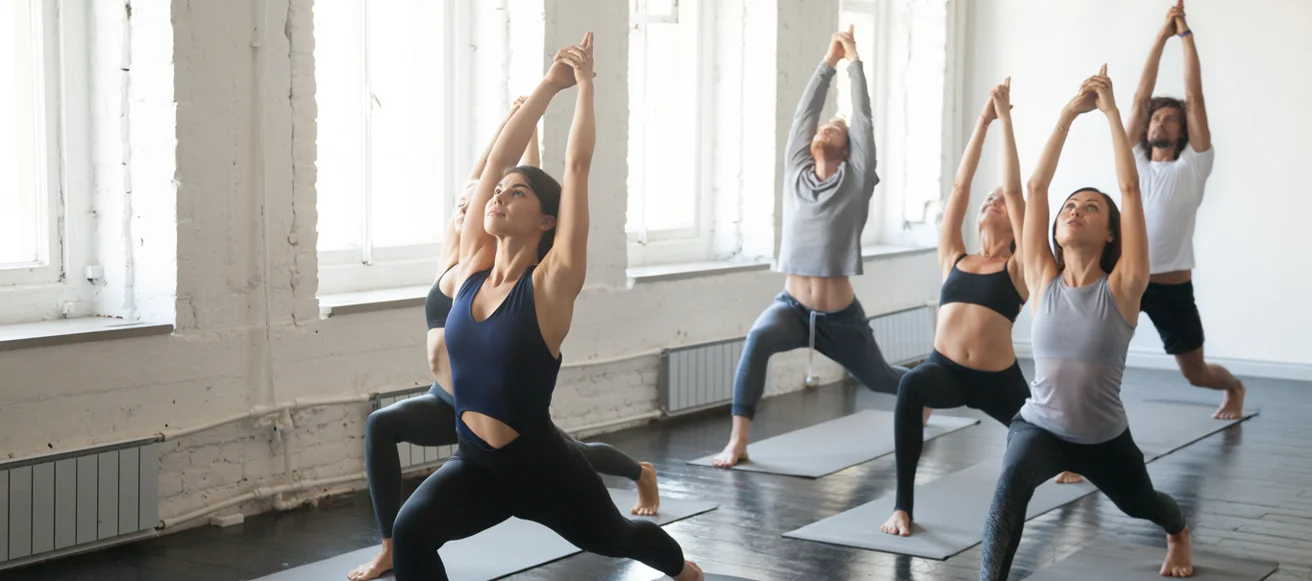
One of the most noticeable benefits is improved flexibility. Gentle stretching helps loosen tight muscles, improve joint mobility, and enhance overall movement quality.
At the same time, controlled postures build functional strength using body weight rather than heavy resistance. Core muscles, legs, arms, and the back gradually become stronger, supporting better posture and reducing the risk of injury.
This balanced approach makes the practice suitable for beginners, older adults, and those recovering from physical strain.
2. Reduces Stress and Calms the Nervous System
Chronic stress is a major contributor to modern health problems. Mindful breathing techniques and slow, intentional movements help activate the body’s relaxation response.
By calming the nervous system, this practice lowers stress hormones and releases built-up tension. Even short sessions can create a sense of calm, making it an effective tool for people dealing with anxiety, work pressure, or emotional fatigue.
3. Enhances Mental Clarity and Focus
Beyond physical benefits, this ancient discipline sharpens mental focus. Mindfulness and breath awareness train the brain to stay present, reducing mental distractions.
Regular practice improves concentration, memory, and emotional regulation. Many practitioners report increased productivity and clearer decision-making, especially in high-pressure environments.
In a digital world filled with constant stimulation, this mental reset is invaluable.
4. Supports Heart Health and Circulation
Gentle movement combined with controlled breathing helps improve blood circulation and oxygen delivery throughout the body. Over time, this supports cardiovascular function and overall endurance.
Certain styles also help regulate blood pressure and encourage healthier lifestyle habits. When practiced consistently, this holistic exercise complements other heart-healthy activities such as walking or swimming.
5. Improves Sleep Quality
Sleep problems often stem from stress and an overactive mind. Relaxing poses and breathing exercises before bedtime help slow the heart rate and prepare the body for rest.
As a result, many people fall asleep faster and experience deeper, more restorative sleep. Better sleep quality leads to improved mood, stronger immunity, and higher daily energy levels.
6. Builds Emotional Balance and Self-Awareness
This mind-body practice encourages awareness of physical sensations, thoughts, and emotions. That awareness helps individuals respond to challenges with greater calm and clarity.
Over time, emotional resilience improves. Practitioners often experience reduced anxiety, increased self-confidence, and a more balanced emotional state. These benefits extend beyond physical sessions and positively influence daily life.
7. Encourages a Healthier Lifestyle
One of the most powerful long-term effects is lifestyle transformation. Mindful movement promotes conscious decision-making, leading to healthier eating habits, improved sleep routines, and better stress management.
Rather than pushing the body to extremes, this practice emphasizes balance and sustainability. As a result, many people maintain consistent routines and achieve long-lasting wellness improvements.
Popular Styles to Match Different Goals
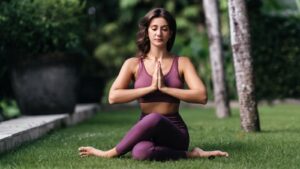
There are many approaches, allowing individuals to choose what suits their needs:
-
Hatha: Slow-paced, ideal for beginners
-
Vinyasa: Dynamic flow focusing on strength and coordination
-
Yin: Deep stretches and relaxation
-
Ashtanga: Structured and physically demanding
-
Hot classes: Practiced in heated environments to enhance flexibility
Choosing the right style helps maximize both physical and mental benefits.
How Beginners Can Get Started

Starting does not require advanced flexibility or expensive equipment. A mat, comfortable clothing, and a quiet space are enough.
Beginners should focus on:
-
Learning basic postures
-
Practicing consistent breathing
-
Listening to their body
-
Maintaining regular but realistic sessions
Consistency matters more than intensity.
Conclusion
This ancient practice offers a powerful combination of physical strength, mental clarity, and emotional balance. By improving flexibility, reducing stress, enhancing focus, and encouraging healthier habits, it supports a more balanced and fulfilling lifestyle.
Whether practiced at home or in a studio, integrating mindful movement into daily life can lead to lasting improvements in overall well-being. Start gradually, stay consistent, and allow the benefits to unfold naturally.