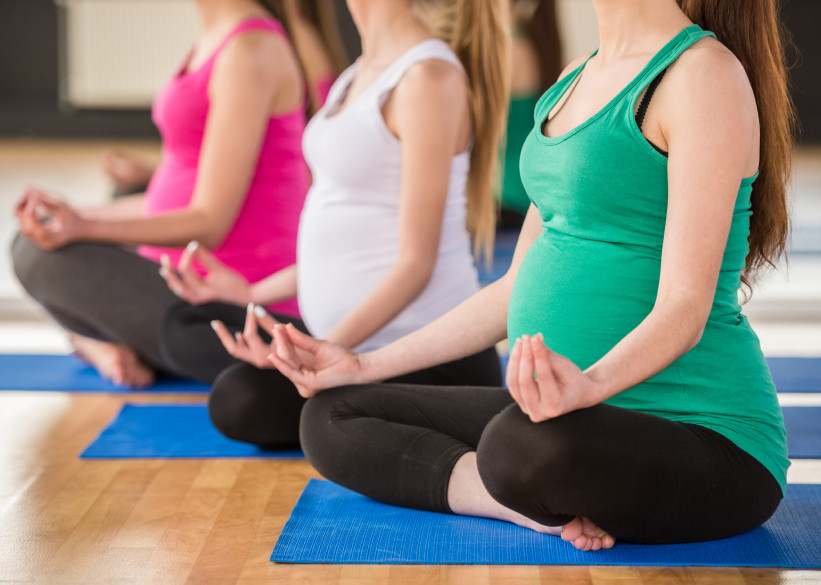
 Pregnancy is a special and transformative journey marked by significant physical, emotional, and hormonal changes. As the body gradually adapts to support the growth and development of new life, expectant mothers may experience a wide range of sensations, from excitement and anticipation to fatigue, physical discomfort, and emotional fluctuations. During this period, many women look for safe and gentle ways to stay active while also protecting their mental and emotional well-being.
Yoga for pregnant women is widely recommended by healthcare professionals as a low-impact and adaptable form of movement. Designed specifically for pregnancy, this practice emphasizes gentle stretches, controlled breathing, and relaxation techniques that support comfort, balance, and preparation for childbirth.
Benefits of Yoga for Pregnant Women
This practice offers a holistic approach to prenatal health by addressing both physical and emotional needs throughout pregnancy.
1. Yoga for Pregnant Women Helps Reduce Physical Discomfort
As pregnancy progresses, changes in posture and weight distribution can lead to back pain, hip tension, and stiffness in the shoulders and neck. Gentle stretching and slow movements help release tight muscles, improve alignment, and reduce pressure on the spine. With consistent practice, daily activities such as standing, walking, and sitting can feel more comfortable and less tiring.
2. Yoga for Pregnant Women Supports Healthy Breathing and Circulation
Breathing exercises are a central element of prenatal practice. Deep, mindful breathing improves oxygen flow to both mother and baby while supporting healthy blood circulation. Better circulation may help reduce swelling in the legs and feet and contribute to overall cardiovascular well-being. These breathing techniques also promote relaxation and emotional calm.
3. Yoga for Pregnant Women Promotes Emotional Balance and Reduces Stress
Hormonal changes during pregnancy can affect mood and emotional stability. This gentle form of movement helps calm the nervous system, encouraging relaxation and mental clarity. Many women report feeling less anxious, more emotionally grounded, and better able to manage stress through regular practice.
4. Yoga for Pregnant Women Builds Strength for Labor and Delivery
Prenatal movement helps strengthen important muscle groups such as the pelvic floor, hips, legs, and core. These muscles play a key role during labor and delivery. Improved strength, flexibility, and body awareness can support better posture during pregnancy and increase confidence when preparing for childbirth.
5. Yoga for Pregnant Women Improves Sleep Quality
Sleep challenges are common, especially during the later stages of pregnancy. Gentle movements combined with relaxation techniques help release tension built up during the day. As a result, many expectant mothers find it easier to fall asleep and experience deeper, more restful sleep.
6. Yoga for Pregnant Women Encourages Mother–Baby Bonding
This practice creates a quiet space for expectant mothers to slow down and connect with their bodies. Through mindful breathing and gentle movement, many women become more aware of their baby’s presence and movements. This awareness can help strengthen emotional bonding even before birth.
7. Yoga for Pregnant Women Is Safe and Adaptable Throughout Pregnancy
When guided correctly, this form of exercise is suitable for most stages of pregnancy. Prenatal classes adapt movements for each trimester and avoid positions that place pressure on the abdomen or compromise balance. Modifications and supportive props help ensure comfort as the body continues to change.
Important Safety Tips for Yoga for Pregnant Women
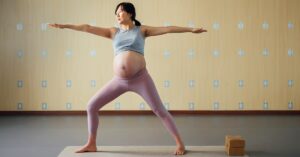
Safety should always be a priority during prenatal practice. Expectant mothers are encouraged to move at a comfortable pace and avoid pushing beyond their limits. If symptoms such as dizziness, sharp pain, shortness of breath, vaginal bleeding, or unusual discomfort occur, practice should stop immediately and medical advice should be sought.
Listening to the body is essential, as energy levels and physical ability can vary from week to week. Movements should feel supportive and calming rather than intense. Props such as pillows, bolsters, or blocks can offer added stability and comfort, particularly in later stages of pregnancy.
Choosing classes specifically designed for pregnancy is highly recommended. Qualified prenatal instructors understand how to safely modify movements and guide breathing techniques appropriate for each trimester, helping ensure both safety and effectiveness.
Conclusion: Why Yoga for Pregnant Women Is Highly Recommended
Yoga for pregnant women offers a gentle yet effective way to support physical comfort, emotional balance, and overall well-being throughout pregnancy. By combining mindful movement, breathing, and relaxation, this practice helps expectant mothers adapt more comfortably to physical changes while building confidence and strength.
With regular practice and professional guidance, many women feel calmer, more connected to their bodies, and better prepared—both physically and mentally—for childbirth and the transition into motherhood.