Introduction
Modern life often places heavy demands on both the body and the mind. Long hours of sitting, constant digital exposure, and high levels of stress have made holistic wellness more important than ever. One increasingly popular approach to restoring balance is yoga, a gentle yet powerful system that supports long-term health rather than quick results.
This practice has evolved into a global wellness movement, embraced by people seeking physical comfort, emotional stability, and mental clarity.
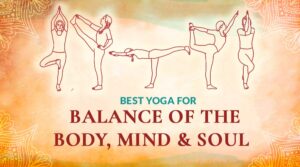
A Holistic System, Not Just Exercise
Unlike conventional workouts that focus mainly on muscle strength or calorie burning, this discipline integrates movement, breath control, and awareness. Each session encourages practitioners to move with intention, paying attention to how the body feels rather than how it looks.
Because of this mindful structure, yoga appeals to individuals who value sustainability and balance over intensity.
Physical Improvements Over Time
Supporting Mobility and Flexibility
Limited movement is a major cause of stiffness and discomfort. Gentle stretching and controlled transitions help loosen tight muscles and improve joint range of motion.
With consistent training, everyday movements become smoother, and the body feels lighter and more responsive.
Strengthening the Body Safely
Instead of relying on external weights, this system uses body weight and balance to build strength. Muscles develop gradually, reducing strain on the joints while improving stability and coordination.
This makes yoga particularly suitable for people looking for low-impact strength training.
Encouraging Better Posture
Poor posture is common in desk-based lifestyles. Alignment-focused movements increase body awareness and strengthen postural muscles, helping reduce tension in the neck, shoulders, and lower back.
Over time, posture naturally improves both during practice and daily activities.
Mental and Emotional Support
Reducing Stress Naturally
Slow, rhythmic movement combined with conscious breathing helps calm the nervous system. This process signals the body to relax, lowering stress levels and easing emotional pressure.
Many people turn to yoga as a reliable method for managing anxiety and mental fatigue.
Improving Focus and Awareness
Mindful movement requires attention to the present moment. As concentration improves, practitioners often notice better emotional regulation and sharper mental clarity in everyday life.
This heightened awareness extends beyond the mat into work and personal relationships.
Promoting Restful Sleep
Gentle evening routines can help release tension accumulated throughout the day. Relaxation techniques prepare the mind for rest, supporting deeper and more consistent sleep patterns.
For individuals struggling with insomnia, this approach offers a natural alternative.
Adaptability for Different Needs
One reason yoga remains accessible is its flexibility. Movements can be modified to match different abilities, experience levels, and health conditions.
It is commonly practiced by:
-
Beginners with limited physical activity
-
Office workers seeking gentle movement
-
Older adults maintaining mobility
-
Individuals recovering from physical strain
With proper guidance, the practice remains safe and effective.
Common Approaches and Styles
Foundational and Gentle Sessions
These focus on basic poses, breathing, and relaxation, making them ideal for newcomers or those seeking stress relief.
Flow-Based Movement
Smooth sequences linked with breath help build endurance and coordination while maintaining mindfulness.
Restorative Methods
Using supportive props and longer hold times, restorative sessions emphasize recovery and deep relaxation.
Creating a Sustainable Routine
Consistency matters more than intensity. To build a long-term habit:
-
Begin with 20–30 minute sessions
-
Choose a regular time of day
-
Prioritize comfort and proper form
-
Allow the body to progress gradually
Even short, regular sessions can lead to meaningful improvements over time.
Bringing Mindfulness Into Daily Life
The benefits of yoga are not limited to formal sessions. Breathing techniques, posture awareness, and mindful attention can be applied while working, walking, or resting.
By integrating these principles into daily routines, many people experience greater resilience and emotional balance.

Conclusion
Yoga offers a sustainable response to the physical and mental challenges of modern living. Through mindful movement, controlled breathing, and increased awareness, it supports flexibility, strength, and emotional well-being.
Practiced regularly and without pressure, this holistic system helps create a healthier, calmer, and more balanced lifestyle.