
Why Timing Matters for Performance
Pre and Post Workout Nutrition plays a critical role in how your body performs, recovers, and adapts to training. Many people focus only on calories or macros, but overlook when they eat. In reality, nutrition timing can significantly affect energy levels, strength output, and recovery speed.
Training places stress on your muscles and nervous system. Pre and Post Workout Nutrition ensures your body has the right fuel before exercise and the right nutrients afterward to rebuild stronger.
Why Pre and Post Workout Nutrition Is Important
Your body relies on different energy systems before and after training. Eating strategically helps you:
-
Improve workout performance
-
Reduce fatigue
-
Support muscle repair
-
Prevent muscle breakdown
According to the American College of Sports Medicine, proper nutrition timing improves endurance, strength, and recovery quality.
Pre Workout Nutrition: What to Eat Before Training
Pre and Post Workout Nutrition for Energy
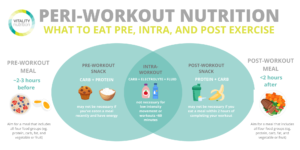
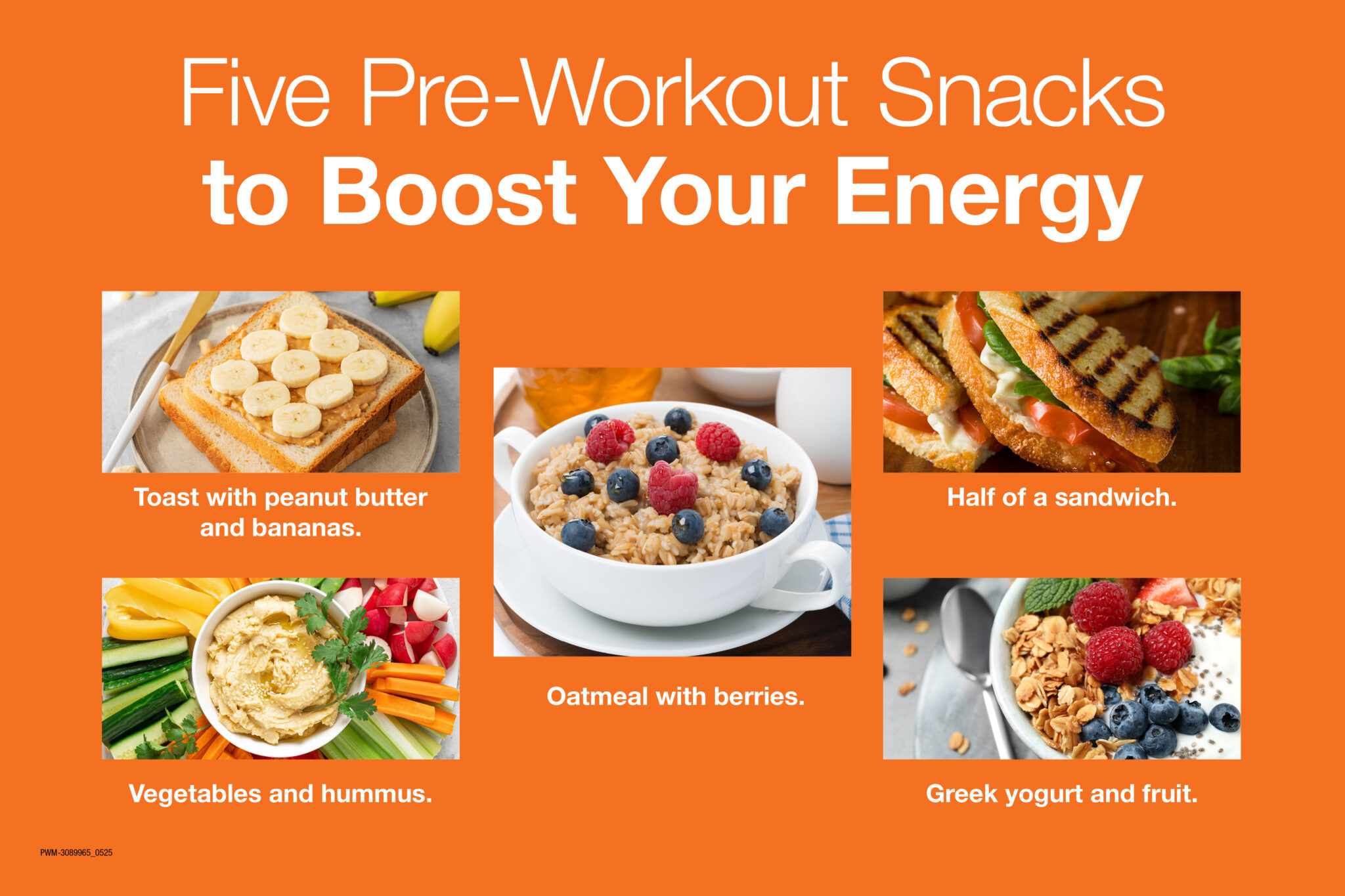
The goal of pre workout nutrition is to provide usable energy without digestive discomfort. A well-balanced pre workout meal supports focus and stamina during training.
Best pre workout food choices include:
-
Carbohydrates (rice, oats, fruit)
-
Moderate protein (eggs, yogurt, lean meat)
-
Low fat and low fiber close to workouts
Eating 1–3 hours before training gives your body time to digest and convert nutrients into fuel.
Post Workout Nutrition: What to Eat After Training
Pre and Post Workout Nutrition for Recovery
Post workout nutrition focuses on muscle repair and glycogen restoration. After training, muscles are more sensitive to nutrients, making this an ideal time to eat.
Post workout meals should include:
-
Protein for muscle repair
-
Carbohydrates to refill energy stores
-
Fluids to rehydrate
The International Society of Sports Nutrition states that protein intake after training supports muscle protein synthesis and recovery.
Why Protein Timing Matters in Pre and Post Workout Nutrition
Protein is essential for muscle growth, but timing still matters—especially around workouts.
Consuming protein after training helps:
-
Repair damaged muscle fibers
-
Reduce muscle soreness
-
Improve strength adaptations
Good protein sources include chicken, fish, eggs, Greek yogurt, and plant-based options. Spreading protein intake evenly throughout the day improves overall recovery.
Carbohydrates and Pre and Post Workout Nutrition Timing
Carbohydrates are the primary fuel source for high-intensity exercise. Eating carbs before training improves performance, while carbs after training restore glycogen levels.
This is especially important for:
-
Endurance training
-
High-volume workouts
-
Back-to-back training days
Without enough carbohydrates, training intensity and recovery quality often suffer.
Read also “Mental Health: 7 Powerful Ways to Improve Your Mind and Emotional Well-Being”
Hydration and Pre and Post Workout Nutrition
Hydration is often overlooked but is a key part of Pre and Post Workout Nutrition. Even mild dehydration can reduce strength, endurance, and focus.
Hydration tips:
-
Drink water consistently throughout the day
-
Use electrolytes during long or intense sessions
-
Rehydrate properly after training
The National Institutes of Health highlights hydration as essential for physical performance.
Common Pre and Post Workout Nutrition Mistakes
Many people struggle with nutrition timing due to misinformation.
Common mistakes include:
-
Training without eating unintentionally
-
Skipping post workout meals
-
Eating heavy meals too close to workouts
Understanding Pre and Post Workout Nutrition helps you avoid these issues and train more effectively.
Pre and Post Workout Nutrition for Long-Term Fitness
Nutrition timing is not about perfection—it’s about consistency. Small improvements in compound over time, leading to better performance and sustainable progress.
You may also like “Fitness for Longevity: Training for the Body You’ll Have in 20 Years.”
Final Thoughts on Pre and Post Workout Nutrition
Pre and Post Workout Nutrition is a powerful tool for improving performance, recovery, and overall fitness. By fueling your body before training and supporting recovery afterward, you allow your workouts to deliver maximum results.
Train smart, eat intentionally, and let nutrition timing work in your favor.