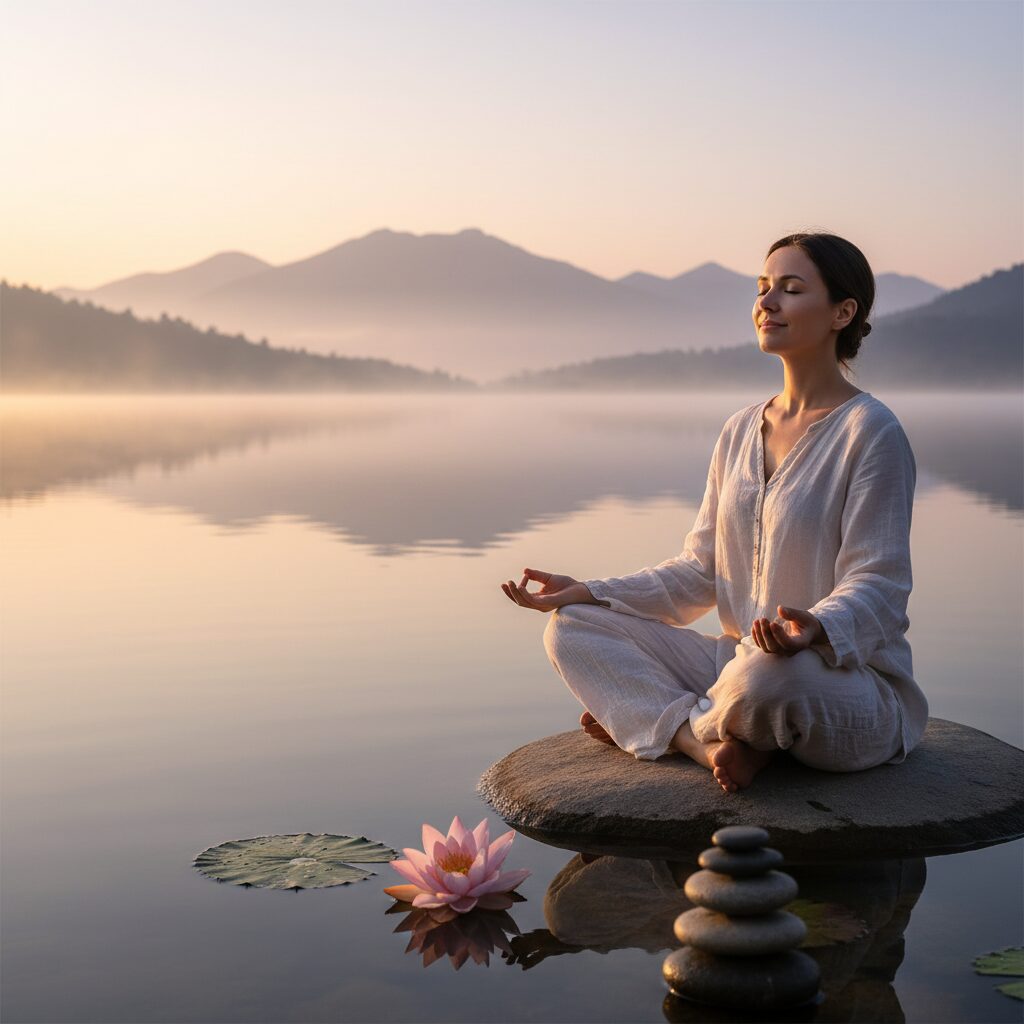
Relaxation and Clarity: 9 Techniques for a Calmer Mind
Modern routines often demand constant attention, leaving little space for the mind to slow down. Over time, this continuous engagement creates mental tension that interferes with both relaxation and clear thinking. True relaxation does not come from distraction alone; it comes from allowing the nervous system to release accumulated strain so the mind can reset naturally.
The techniques below focus on creating that release. They are practical, adaptable, and designed to fit into everyday life without requiring long periods of isolation or strict routines.

Alt text: relaxation and clarity calm environment
Table of Contents
-
Understanding the Link Between Relaxation and Clarity
-
Slowing the Body to Calm the Mind
-
Creating Space Between Thoughts
-
Using Breath as a Mental Anchor
-
Reducing Sensory Overload
-
Releasing Tension Through Gentle Movement
-
Letting the Mind Rest Without Stimulation
-
Establishing Clear Mental Transitions
-
Ending the Day With Intentional Stillness
-
Final Thoughts
1. Understanding the Link Between Relaxation and Clarity
Relaxation and clarity are closely connected. When the mind is tense, thinking becomes narrow and reactive. When the nervous system settles, attention broadens and perception sharpens.
Supporting relaxation allows the brain to:
-
Process information more efficiently
-
Regain emotional balance
-
Improve decision-making
This is why clarity often appears after moments of genuine rest rather than forced concentration.

Alt text: calm awareness supporting clarity
2. Slowing the Body to Calm the Mind
Mental tension is often reflected physically. Tight shoulders, shallow breathing, and rigid posture signal the brain to stay alert. Slowing physical movement helps reverse this signal.
Helpful approaches include:
-
Moving deliberately rather than quickly
-
Sitting or standing with relaxed posture
-
Allowing pauses between actions
As the body slows, the mind naturally follows.

3. Creating Space Between Thoughts
Thoughts tend to stack when the mind is overloaded. Creating small gaps between them reduces pressure and restores clarity.
This can be done by:
-
Briefly focusing on surroundings
-
Noticing silence between sounds
-
Allowing thoughts to pass without engagement
These moments of mental space support relaxation without requiring complete stillness.
4. Using Breath as a Mental Anchor
Breathing patterns influence how the brain interprets stress. Slow, steady breathing encourages the nervous system to settle and provides a stable point of attention.
Breath works well because:
-
It is always available
-
It requires no tools
-
It gently anchors awareness
Focusing on breath helps quiet mental noise and improves clarity.
5. Reducing Sensory Overload
Excessive stimulation prevents full relaxation. Bright lights, constant noise, and visual clutter keep the brain engaged even during rest.
Reducing sensory input may include:
-
Softening lighting
-
Lowering background noise
-
Simplifying surroundings
These adjustments create an environment where the mind can disengage more easily.
6. Releasing Tension Through Gentle Movement
Stillness is not always the fastest path to relaxation. Gentle movement helps release physical tension that contributes to mental strain.
Effective options include:
-
Light stretching
-
Slow walking
-
Simple mobility exercises
Movement restores circulation and reduces restlessness, allowing clarity to return.
7. Letting the Mind Rest Without Stimulation
Rest that includes constant input does not fully calm the mind. True mental rest allows attention to settle without being pulled in multiple directions.
This may involve:
-
Sitting quietly without a screen
-
Spending time in nature
-
Allowing boredom without distraction
These moments restore mental energy and support clearer thinking afterward.
[Image here – quiet outdoor setting]
Alt text: unstimulated mental rest
8. Establishing Clear Mental Transitions
Abrupt shifts between tasks increase mental tension. Creating clear transitions helps the brain move smoothly between effort and rest.
Helpful transitions include:
-
Short pauses between activities
-
Physical changes, such as standing or stretching
-
Brief reflection before moving on
These cues signal the brain to release the previous task.
9. Ending the Day With Intentional Stillness
The way the day ends affects mental clarity the next morning. Without closure, the mind continues processing overnight.
Intentional stillness may include:
-
Quiet reflection
-
Gentle breathing
-
Reducing stimulation before sleep
This supports deeper rest and clearer thinking the following day.
Final Thoughts
Relaxation and clarity develop through consistent, intentional practices rather than force or avoidance. By reducing stimulation, slowing physical cues, and allowing the mind space to rest, clarity emerges naturally.
Small techniques applied regularly create a calmer mental environment, making focus and balance easier to maintain over time.