





In today’s fast-paced world, many people are searching for ways to restore balance between their bodies and minds. Yoga, an ancient discipline originating in India, has become one of the most effective approaches to improving overall well-being. More than a physical workout, it represents a holistic system that connects movement, breathing, and awareness.
What Is Yoga and Why Is It So Popular?
Yoga is a practice designed to create harmony between the physical body and mental state. It combines postures, controlled breathing, and meditation to enhance awareness and balance. Unlike intense fitness programs that focus only on performance, this discipline emphasizes control, patience, and inner stability.
Over time, it has evolved into multiple styles, allowing people of different ages and fitness levels to participate comfortably.
Physical Health Benefits of Yoga Practice
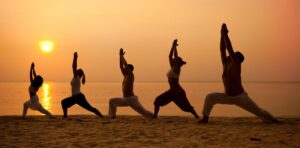
One of the key advantages of this practice is its positive impact on physical health. Regular sessions help improve flexibility by gently stretching muscles and increasing joint mobility. This is especially beneficial for individuals who spend long hours sitting or experience chronic stiffness.
Strength is also developed through poses that require supporting body weight. In addition, posture, balance, and coordination gradually improve. The breathing techniques used during practice increase oxygen intake, supporting heart health and lung function.
Mental and Emotional Benefits of Yoga
Beyond physical improvement, this mindful movement has a strong influence on mental and emotional well-being. It helps activate the body’s natural relaxation response, reducing stress and anxiety. Consistent practice can also improve sleep quality and emotional control.
By encouraging awareness of thoughts and feelings, practitioners learn to respond calmly rather than react impulsively, which enhances focus and resilience.
Yoga as a Mindful Lifestyle
Yoga extends beyond exercise and becomes a way of living. One of its core principles is mindfulness—being present and aware in everyday activities. This awareness often influences eating habits, communication, and work-life balance.
The philosophy behind this discipline encourages patience, self-respect, and sustainable progress rather than pushing the body beyond its limits.
Types of Yoga for Different Goals

There are many styles available to suit individual needs, fitness levels, and personal objectives. Each approach offers unique benefits, allowing practitioners to choose a method that aligns with their physical condition and lifestyle.
Hatha focuses on basic postures, controlled breathing, and relaxation techniques. This style moves at a slower pace, giving practitioners time to understand proper alignment and develop body awareness. Because of its gentle nature, it is ideal for beginners, older adults, or anyone recovering from injury who wants to build a strong foundation safely.
Vinyasa emphasizes fluid movement and breath coordination, often linking poses together in continuous sequences. This dynamic style helps improve cardiovascular endurance, strength, and flexibility while maintaining a meditative flow. It is well suited for individuals who enjoy variety, movement, and a more energetic experience.
Ashtanga offers a structured and physically demanding approach based on a fixed sequence of postures. The practice builds discipline, stamina, and mental focus through repetition and consistency. Due to its intensity, it is best suited for experienced practitioners who are looking for a challenging and goal-oriented routine.
Yin focuses on deep stretching and stress relief by holding poses for longer periods of time. This style targets connective tissues such as ligaments and fascia rather than muscles. It is particularly beneficial for improving joint mobility, enhancing circulation, and calming the nervous system, making it an excellent complement to more active practices or high-stress lifestyles.
By understanding the characteristics of each style, individuals can select a practice that best supports their physical health, emotional balance, and long-term well-being.
The Role of Yoga in Modern Life
Today, this practice is widely integrated into studios, schools, workplaces, and online platforms. Many organizations include it in wellness programs to reduce burnout and improve productivity. Educational institutions also introduce it to help students manage pressure and improve concentration.
In a world dominated by technology and constant stimulation, it provides a valuable opportunity to slow down and reconnect with the body.
Conclusion: Why Yoga Supports a Balanced Life
Yoga is not a passing trend but a long-term approach to well-being. By practicing consistently, individuals can experience better physical health, emotional stability, and mental clarity.
In an increasingly demanding world, this discipline offers a practical and effective path toward balance, calmness, and a healthier lifestyle.