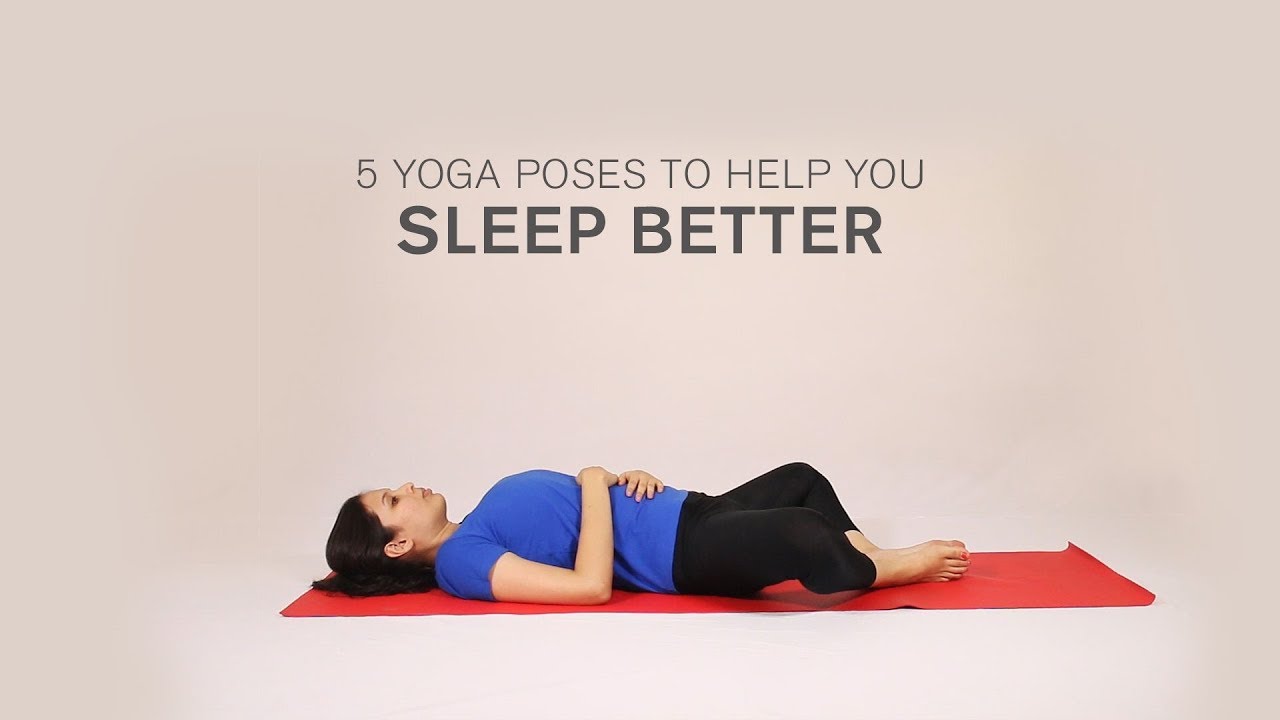
5 Ways Yoga Improves Sleep Quality
Discover how yoga improves sleep quality by calming the mind, reducing stress, and restoring balance naturally. Sleep is one of the most essential pillars of health, yet millions of people worldwide struggle to get enough of it. Insomnia, restless nights, and poor sleep quality have become common complaints in modern society. Stressful jobs, long hours, and constant exposure to digital screens all contribute to disrupted sleep patterns. While medication can provide temporary relief, many are searching for natural, sustainable solutions. One ancient practice that continues to gain recognition is yoga, a discipline that combines movement, breath, and mindfulness to restore balance in both body and mind.
The Growing Sleep Problem
Sleep deprivation is linked to a wide range of health issues, including weakened immunity, impaired memory, and increased risk of chronic conditions such as heart disease. Experts emphasize that quality sleep is just as important as nutrition and exercise. Yet, with busy schedules and high stress levels, many find it difficult to wind down at night. This is where gentle practices like yoga can play a transformative role.
How Yoga Supports Restful Sleep

Yoga works holistically, addressing both physical tension and mental stress. By engaging in slow, mindful movements and controlled breathing, practitioners activate the parasympathetic nervous system — the body’s natural “rest and digest” mode. This shift helps lower heart rate, reduce blood pressure, and calm the nervous system.
Key ways yoga improves sleep include:
- Reducing stress hormones: Breathwork and meditation lower cortisol, which interferes with deep rest.
- Releasing muscle tension: Gentle stretches ease tightness in the back, shoulders, and hips.
- Improving circulation: Supported poses enhance blood flow, helping regulate body temperature.
- Quieting the mind: Mindfulness reduces racing thoughts that often keep people awake.
- Encouraging relaxation: Restorative postures signal the body that it is safe to let go.
Scientific Evidence
Research supports the connection between yoga and better sleep. Clinical trials show that individuals who practice regularly fall asleep faster, stay asleep longer, and wake up feeling more refreshed. In one study, participants who included nightly yoga sessions reported significant improvements in sleep efficiency compared to those who relied only on relaxation techniques. Sleep specialists now recommend yoga as part of a comprehensive sleep hygiene plan, alongside reducing caffeine, limiting screen time, and maintaining consistent bedtimes.
Best Practices Before Bed
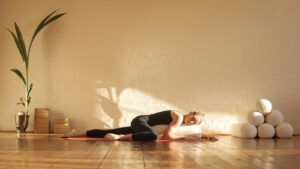
Not all yoga styles are suitable for nighttime. Vigorous flows may energize the body rather than calm it. Instead, restorative and gentle poses are ideal for preparing the body for rest. Examples include:
- Legs Up the Wall – improves circulation and relieves lower‑back tension.
- Child’s Pose – grounds the body and relaxes the hips.
- Supine Spinal Twist – eases spinal tension and supports digestion.
- Supported Bridge Pose – opens the chest and reduces stress when aided with props.
- Savasana – the ultimate relaxation posture, integrating the benefits of practice.
Pairing these poses with slow breathing or guided meditation deepens relaxation and prepares the mind for sleep.
Creating a Bedtime Routine
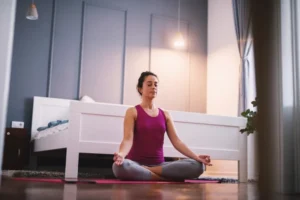
Experts suggest dedicating 10–15 minutes to yoga before bed. A quiet space, dim lighting, and supportive props such as pillows or bolsters enhance the experience. Begin with breathwork to center the mind, move through a few restorative poses, and finish with meditation or Yoga Nidra — a guided relaxation technique known to induce deep rest.
Consistency is key. Over time, the body begins to associate this routine with winding down, making it easier to transition into sleep. Even short sessions can create meaningful improvements when practiced regularly.
Who Benefits Most
This approach is accessible to nearly everyone:
- Busy professionals coping with stress and long hours.
- Students dealing with exam anxiety.
- Seniors seeking safe, low‑impact movement.
- Individuals with chronic pain who struggle to find comfortable sleeping positions.
Because it is adaptable, yoga meets people where they are, offering modifications for different ages and physical conditions.
Conclusion
Sleep is vital for health, yet modern lifestyles often make it elusive. Yoga provides a gentle, natural solution by calming the nervous system, easing muscle tension, and quieting the mind. Whether practiced for a few minutes or as part of a longer evening routine, this ancient discipline can transform restless nights into restorative rest.
As more people embrace mindful movement, one truth becomes clear: the path to better sleep may begin not with a pill, but with a simple pose and a deep breath.