
Yoga After 40 Why More Americans Are Starting Later And Staying Committed
Yoga After 40 is no longer a niche trend or a quiet wellness experiment. Across the United States, millions of adults are stepping onto the mat for the first time well into midlife and discovering a practice that meets their bodies and minds exactly where they are.
This shift is reshaping how Americans think about aging, fitness, and long-term health. Rather than pushing through pain or chasing youthful performance, people are choosing mindful movement that supports longevity and everyday comfort.
Table of Contents
-
Why Yoga After 40 Is Growing in the United States
-
Physical Benefits That Matter More After 40
-
Mental Clarity and Emotional Balance
-
Why Starting Yoga Later Actually Works
-
Common Myths About Yoga After 40
-
How to Start Yoga Safely After 40
-
The Future of Yoga for Midlife Americans
Why Yoga After 40 Is Growing in the United States
The rise of Yoga After 40 reflects broader cultural changes. Americans are living longer, working later, and paying closer attention to sustainable health. High-impact workouts that once felt manageable in younger years can begin to stress joints and increase injury risk.
Yoga offers an adaptable alternative. Classes now cater specifically to midlife bodies, emphasizing mobility, breath, and recovery rather than extreme flexibility.
Physical Benefits That Matter More After 40
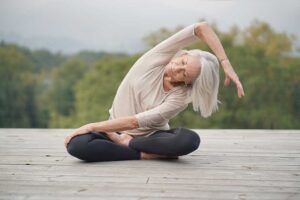
As the body ages, priorities shift. Yoga supports areas that naturally need more care over time.
Improved Mobility and Joint Health
Gentle stretching and controlled movement help maintain range of motion. This becomes crucial as stiffness increases with age.
Strength Without Strain
Yoga builds functional strength using body weight, protecting muscles without overloading joints.
Better Balance and Stability
Falls are a major concern after midlife. Regular yoga practice improves proprioception and core stability, supporting everyday movement.
These physical advantages are a major reason Yoga After 40 continues to gain momentum.
Mental Clarity and Emotional Balance
Yoga is not only physical. For many Americans, the mental benefits are what keep them returning to the mat.
Breathwork and mindful movement calm the nervous system. This is especially valuable during a life stage often filled with career pressure, family responsibilities, and health concerns.
People practicing Yoga After 40 frequently report improved sleep, better stress management, and greater emotional awareness.
Why Starting Yoga Later Actually Works
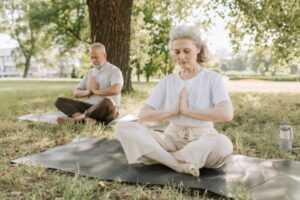
Beginning yoga in midlife may feel intimidating, but it can be an advantage. Older beginners tend to listen to their bodies more closely and practice with intention.
Unlike younger practitioners who may push for advanced poses, those exploring Yoga After 40 often focus on consistency and comfort. This mindset reduces injury risk and encourages long-term commitment.
Yoga is not about performance. It is about presence.
Common Myths About Yoga After 40
Myth One You Need to Be Flexible
Flexibility is a result of yoga, not a requirement. Stiffness is actually one of the best reasons to begin.
Myth Two Yoga Is Too Easy
Holding poses builds strength and endurance. Many people are surprised by how challenging yoga can be.
Myth Three It Is Too Late to Start
There is no expiration date on movement. Yoga After 40 proves that wellness can begin at any stage of life.
How to Start Yoga Safely After 40
Starting thoughtfully makes all the difference.
Choose the Right Class
Look for beginner, gentle, or age-inclusive sessions. Many studios now offer classes designed specifically for midlife adults.
Communicate With Instructors
A qualified teacher can offer modifications and ensure safe alignment.
Focus on Consistency
Short regular sessions matter more than intensity. Ten to twenty minutes a day can create meaningful change.

Who Benefits Most From Yoga After 40
Yoga After 40 is especially beneficial for adults who want to stay active without putting unnecessary stress on their bodies. While yoga can support people of all ages, certain groups tend to see the most noticeable improvements when starting later in life.
Many Americans over 40 experience joint stiffness from long hours of sitting, reduced physical activity, or repetitive movements at work. Yoga helps counter these effects by gently restoring mobility and improving circulation. Even simple poses practiced consistently can make everyday movements feel easier.
People managing stress also benefit greatly. Midlife often comes with increased responsibilities, from careers to family care. Yoga provides structured time to slow down, breathe deeply, and reconnect with the body. Over time, this mindful approach supports emotional balance and mental resilience.
Another group that benefits from Yoga After 40 includes those returning to exercise after a long break. Yoga offers a non-competitive environment where progress is personal, not compared. This makes it easier to rebuild confidence while reducing the risk of injury.
Yoga After 40 and Long Term Wellness
One of the strongest reasons people continue Yoga After 40 is its long-term impact on overall wellness. Unlike short-term fitness trends, yoga supports habits that can be maintained for decades.
Regular practice encourages body awareness, helping individuals recognize early signs of tension or imbalance. This awareness often leads to healthier posture, better breathing patterns, and improved movement efficiency throughout the day.
Yoga also supports recovery. As the body ages, rest and restoration become just as important as movement. Gentle yoga sessions can help reduce muscle soreness and promote relaxation without exhausting the body.
The Future of Yoga for Midlife Americans
The growth of Yoga After 40 signals a cultural shift toward sustainable health rather than short-term fitness goals. As more Americans embrace this practice, yoga studios, healthcare providers, and wellness platforms are adapting to serve this expanding audience.
Yoga is becoming less about age and more about awareness.
For many, starting later is not a limitation. It is the beginning of a stronger, calmer, and more connected chapter of life.
Final Thoughts
Yoga does not ask you to be younger, thinner, or more flexible. It asks only that you show up. That simple invitation is why Yoga After 40 continues to transform how Americans experience movement and well-being—one breath at a time.