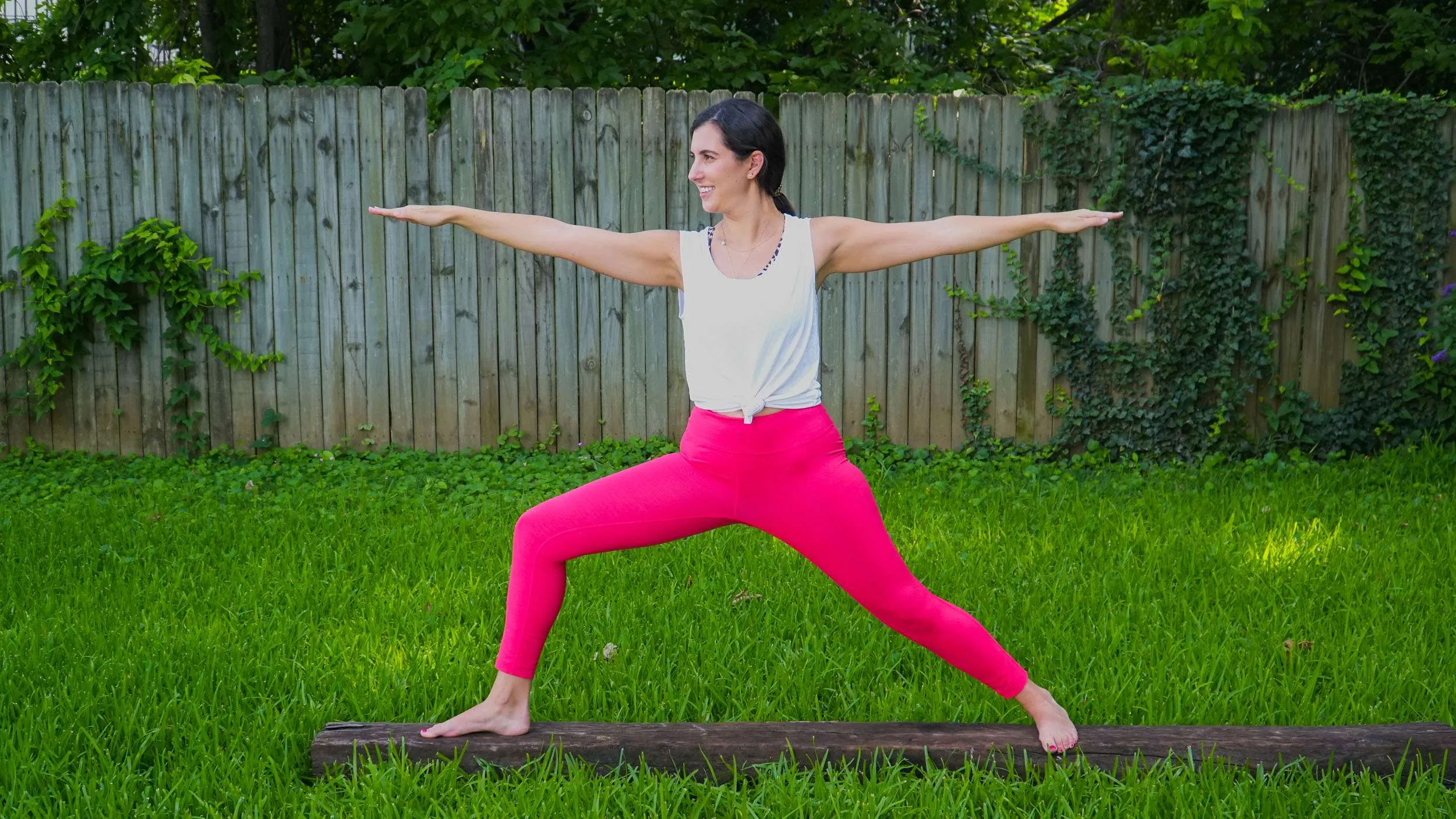
Yoga for Burnout Trauma and Loss in America
Yoga for Burnout Trauma and Loss has become a meaningful practice for many Americans navigating emotional exhaustion, psychological strain, and profound life changes. Across the United States, people from different backgrounds are turning to yoga not just as exercise, but as a structured method for restoring balance in body and mind.
From overwhelmed professionals to individuals coping with grief, yoga offers a framework that supports self-awareness, regulation, and gradual recovery. This article explores how yoga plays a role in addressing burnout, trauma, and loss in modern American life.
Table of Contents
-
Understanding Burnout Trauma and Loss in the US
-
Why Yoga for Burnout Trauma and Loss Resonates with Americans
-
The Mind Body Connection in Yoga Practice
-
Yoga for Burnout Trauma and Loss in Mental Health Recovery
-
Community and Belonging Through Yoga
-
Scientific Perspectives on Yoga and Emotional Regulation
-
Integrating Yoga into Daily American Life
1. Understanding Burnout Trauma and Loss in the US
Burnout, trauma, and loss are increasingly common experiences in American society. High work demands, economic pressure, social isolation, and unexpected life events contribute to emotional overload. Many individuals struggle to process these challenges using traditional coping methods alone.
Yoga for Burnout Trauma and Loss provides an alternative approach by emphasizing awareness rather than suppression. Instead of forcing solutions, yoga encourages observation of physical sensations and mental patterns, creating space for internal clarity.
2. Why Yoga for Burnout Trauma and Loss Resonates with Americans
One reason yoga has gained traction in the US is its adaptability. Yoga can be practiced in studios, homes, offices, hospitals, and community centers. This accessibility makes it appealing for people seeking personal growth without rigid structures.
Yoga for Burnout Trauma and Loss aligns well with American values of self-improvement and independence while still offering guided support. The practice allows individuals to progress at their own pace without comparison or external pressure.
3. The Mind Body Connection in Yoga Practice
A core principle of yoga is the relationship between physical movement and mental awareness. Gentle postures, controlled breathing, and intentional pauses help regulate the nervous system.
For those affected by prolonged stress or emotional shock, yoga creates predictable patterns that foster stability. Yoga for Burnout Trauma and Loss focuses on grounding techniques that bring attention back to the present moment, reducing mental overwhelm.

4. Yoga for Burnout Trauma and Loss in Mental Health Recovery
Mental health professionals in the US increasingly recognize yoga as a complementary practice. While not a replacement for therapy, yoga can support emotional processing by improving body awareness.
Yoga for Burnout Trauma and Loss helps individuals notice physical cues associated with stress or emotional tension. This awareness often leads to improved communication with therapists and healthcare providers, strengthening overall recovery strategies.
5. Community and Belonging Through Yoga
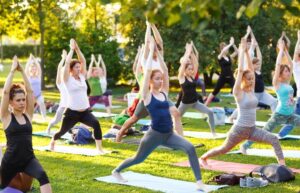
Beyond individual practice, yoga offers a sense of community. Group classes provide structured social interaction without pressure to perform or explain personal experiences.
For Americans dealing with loss, shared silent practice can be particularly meaningful. Yoga for Burnout Trauma and Loss creates environments where presence matters more than conversation, allowing people to feel connected without emotional demand.
6. Scientific Perspectives on Yoga and Emotional Regulation
Research in neuroscience and psychology highlights yoga’s influence on stress response systems. Breathing techniques and slow movement patterns support parasympathetic nervous system activation.
Studies conducted in the US suggest yoga can improve emotional regulation, attention, and resilience. These findings help explain why Yoga for Burnout Trauma and Loss continues to gain credibility among healthcare professionals and institutions.
7. Integrating Yoga into Daily American Life
One advantage of yoga is flexibility. Even short sessions can be effective. Americans with busy schedules often incorporate brief yoga routines into mornings, work breaks, or evenings.
Yoga for Burnout Trauma and Loss does not require advanced physical ability. Chair yoga, restorative poses, and guided breathing exercises make the practice accessible to a wide range of people.

8. Yoga for Burnout Trauma and Loss Among Older Adults
Yoga for Burnout Trauma and Loss is increasingly meaningful for older adults in the United States, a group often facing unique emotional and physical challenges. Retirement transitions, declining health, loss of loved ones, and social isolation can all contribute to prolonged stress and emotional fatigue in later life.
For seniors, yoga offers a low-impact and adaptable practice that supports both mental stability and physical comfort. Gentle movements, chair yoga, and breath-focused sessions allow older adults to participate safely without strain or pressure.
Yoga for Burnout Trauma and Loss helps older practitioners reconnect with their bodies in a compassionate way. Slow pacing and mindful breathing support nervous system regulation, which is especially important for aging individuals who may experience heightened anxiety or emotional sensitivity.
Beyond physical benefits, yoga also provides routine and structure. Group classes in community centers, senior living facilities, or wellness programs create a sense of belonging. This shared experience can ease feelings of loneliness while offering emotional grounding without the need for verbal expression.
As America’s population continues to age, yoga stands out as a practical tool that supports emotional resilience, dignity, and inner balance throughout later stages of life.
Conclusion
Yoga for Burnout Trauma and Loss reflects a broader shift in how Americans approach emotional well-being. Rather than seeking quick fixes, many are choosing practices that promote awareness, consistency, and self-connection.
As burnout, trauma, and loss continue to shape modern life, yoga remains a practical and adaptable tool. Its steady presence in American culture suggests a growing recognition that healing often begins with attention, patience, and mindful movement.