Yoga for Children Under 10: Benefits, Exercises, and Important Tips
What Is Yoga for Children?
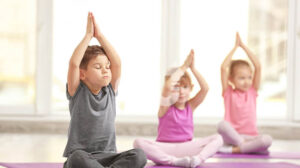
Yoga for Children Under 10 is a gentle and playful form of physical activity designed to support early physical and emotional development. It combines simple movements, basic breathing, and imaginative poses to help children stay active while feeling relaxed.
Unlike adult practice, this approach does not focus on perfect alignment. Instead, it encourages creativity, enjoyment, and natural movement. At a young age, children benefit most from activities that feel like play rather than strict exercise routines.
Benefits of Yoga for Children Under 10
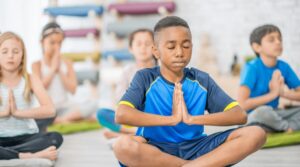
1. Yoga Supports Healthy Physical Growth
One key benefit of Yoga for Children Under 10 is its positive effect on physical development. Regular practice helps children:
-
Improve flexibility and coordination
-
Strengthen muscles and joints
-
Maintain good posture
-
Support natural bone growth
These gentle movements are suitable for growing bodies and help prevent stiffness caused by long periods of sitting.
2. Yoga Improves Focus and Learning Ability
Simple breathing techniques and balance poses used in Yoga for Children Under 10 help children:
-
Increase attention span
-
Improve memory
-
Reduce restlessness
-
Stay calm during learning activities
This is especially helpful for school-age children who struggle with concentration in class.
3. Yoga Encourages Emotional Balance
Through slow movements and relaxation, this practice teaches children how to:
-
Manage stress and frustration
-
Recognize emotions
-
Build self-confidence
-
Develop patience
These emotional skills support well-being both at home and at school.
4. Yoga Promotes an Active Lifestyle
In a time of increasing screen use, Yoga for Children Under 10 encourages healthier daily habits, including:
-
More physical activity
-
Less sedentary behavior
-
Better body awareness
These positive routines often continue into adolescence.
Age-Appropriate Practice Guidelines
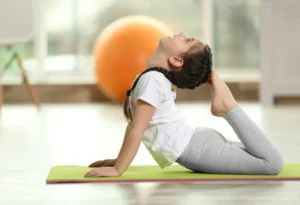
To get the best results, Yoga for Children Under 10 should be adapted by age:
-
Ages 3–5: Short sessions using songs, stories, and animal-inspired poses
-
Ages 6–8: Basic movements combined with simple breathing exercises
-
Ages 9–10: Gentle pose sequences with slightly longer practice time
Each session should match the child’s energy level and interest.
Simple Exercises for Children Under 10
1. Tree Pose
Tree Pose is commonly used in Yoga for Children Under 10 to improve balance and focus.
2. Cat–Cow Movement
This movement gently stretches the spine and releases tension in the neck and back.
3. Child’s Pose
Child’s Pose encourages relaxation and creates a feeling of safety and calm.
4. Butterfly Pose
Butterfly Pose supports hip flexibility and lower-body comfort during growth.
Using stories or music makes Yoga for Children Under 10 more enjoyable and engaging for kids.
Important Tips for Parents and Teachers
To ensure a safe and positive experience:
-
Never force a child into any position
-
Keep sessions short and fun
-
Avoid competition or comparison
-
Allow breaks whenever needed
-
Choose instructors experienced with young learners
An ideal routine is 15–30 minutes per session, two or three times per week.
Home Practice or Group Classes?
Practicing at Home
At-home sessions of Yoga for Children Under 10 offer:
-
A comfortable and familiar environment
-
Opportunities for parent–child bonding
-
Flexible scheduling
Group Classes
Group classes provide:
-
Professional guidance
-
Social interaction with peers
-
A structured learning environment
Combining both options often works best.
Conclusion
Overall, this gentle and mindful form of movement offers an effective way to support physical growth, emotional balance, and the development of healthy daily habits in young children. Through simple exercises, breathing awareness, and playful activities, children gradually build strength, flexibility, focus, and self-confidence in a natural and enjoyable manner.
Beyond physical benefits, regular practice also helps young learners better understand their emotions, manage stress, and develop a positive relationship with movement. A calm and supportive environment allows children to explore their abilities without pressure, encouraging self-awareness and patience from an early age.
Over time, these experiences can shape long-term habits that promote overall well-being, resilience, and a balanced lifestyle. When introduced early and practiced consistently, this approach becomes a valuable foundation that supports children’s development both now and as they continue to grow.