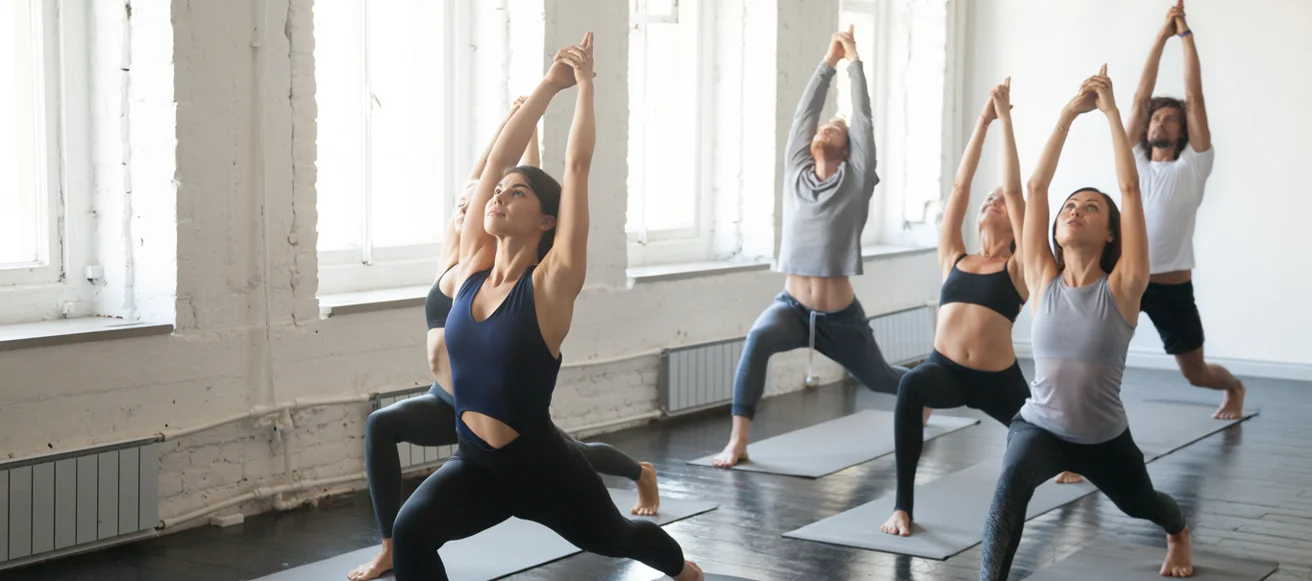
Yoga Meditation 2026: A Complete Guide to Mental and Physical Balance
In 2026, as daily life becomes more demanding and digitally driven, many people are looking for natural ways to slow down and restore balance. Yoga meditation is increasingly recognized as a gentle yet powerful practice that supports both mental clarity and physical well-being. By combining mindful movement, conscious breathing, and inner awareness, it offers a sustainable path toward a calmer and healthier lifestyle.
Unlike high-intensity fitness routines, this practice emphasizes presence, relaxation, and balance rather than physical performance.
Understanding This Mindful Practice
At its core, yoga meditation blends traditional yoga postures with breath control and meditative focus. Movements are slow and intentional, allowing the practitioner to remain aware of sensations in the body and fluctuations of the mind. Instead of forcing change, the practice encourages observation and acceptance.
Over time, this mindful approach helps reduce mental noise and builds a deeper connection between body and breath.
Why This Practice Matters in 2026
Modern challenges such as prolonged screen time, work pressure, and constant information overload have led to rising levels of stress and burnout. In 2026, wellness trends increasingly emphasize preventive care and mind–body balance rather than quick solutions.
This form of mindful yoga supports nervous system regulation and emotional resilience. It helps individuals respond more calmly to daily stressors and maintain a sense of inner stability in uncertain environments.
Key Benefits for Mind and Body
Stress and Tension Relief
Slow breathing and mindful awareness activate the body’s relaxation response. This process helps calm the nervous system and reduce stress-related tension.
Improved Focus and Awareness
Regular practice trains attention and presence. As a result, many people experience better concentration, clearer thinking, and improved productivity.
Emotional Balance
Through self-observation and breath awareness, practitioners develop greater emotional control and resilience. This often leads to improved mood and reduced reactivity.
Physical Support and Flexibility
Although gentle, the practice improves posture, circulation, and flexibility. It is especially suitable for individuals seeking low-impact movement.
Better Sleep Quality
Relaxation techniques used in mindful yoga help quiet the mind before bedtime, supporting deeper and more restorative sleep.
Common Styles and Approaches
There are several ways to explore this meditative discipline, depending on personal preferences:
-
Hatha-based sessions with breath awareness
-
Mindfulness-focused movement practices
-
Yoga Nidra for deep rest and recovery
-
Mantra-based techniques using sound and repetition
Each approach maintains the same foundation of awareness, breathing, and inner focus.
How to Begin Safely and Effectively

Starting yoga meditation does not require advanced flexibility or special equipment. Choose a quiet space, wear comfortable clothing, and begin with short sessions of 10–20 minutes.
Start with light stretches to release physical tension, then sit upright and focus on natural breathing. When the mind wanders, gently return attention to the breath without judgment. Consistency is more important than duration, especially in the early stages.
Applying Mindfulness Beyond the Mat
The benefits of this practice extend into daily life. Mindful breathing during work, conscious eating, or short moments of stillness can significantly reduce stress throughout the day.
By integrating awareness into everyday activities, the practice becomes a lifestyle rather than a routine limited to the mat.
Conclusion
In 2026, yoga meditation remains a valuable and accessible tool for improving mental clarity, emotional balance, and overall well-being in an increasingly demanding world. Rather than promising instant or short-term results, yoga meditation supports long-term health through awareness, consistency, and inner balance. By gently guiding the mind toward stillness and the body toward relaxation, this practice helps build a strong foundation for sustainable physical and mental wellness.
With regular yoga meditation practice, individuals can experience reduced stress, improved focus, and greater emotional resilience. Over time, this mindful approach encourages a deeper connection with oneself, fostering self-awareness, patience, and a calmer response to everyday challenges. These benefits often extend beyond the mat, positively influencing work performance, relationships, and overall quality of life.
Whether you are new to mindfulness or searching for a more sustainable approach to personal well-being, yoga meditation offers a calm, reliable, and adaptable path forward. By integrating mindful movement and conscious breathing into daily routines, practitioners can cultivate a healthier lifestyle that supports long-term balance, inner peace, and lasting well-being.